Learn how to use ePayslips and reach “Gov Zm” access for employee records. This guide explains what epayslips systems typically do, why government portals rely on identity checks, and how payroll documents are handled. It then outlines practical steps, common conditions, and FAQs to help you access your payslip data reliably and securely—especially when you’re in the “nearby” region.
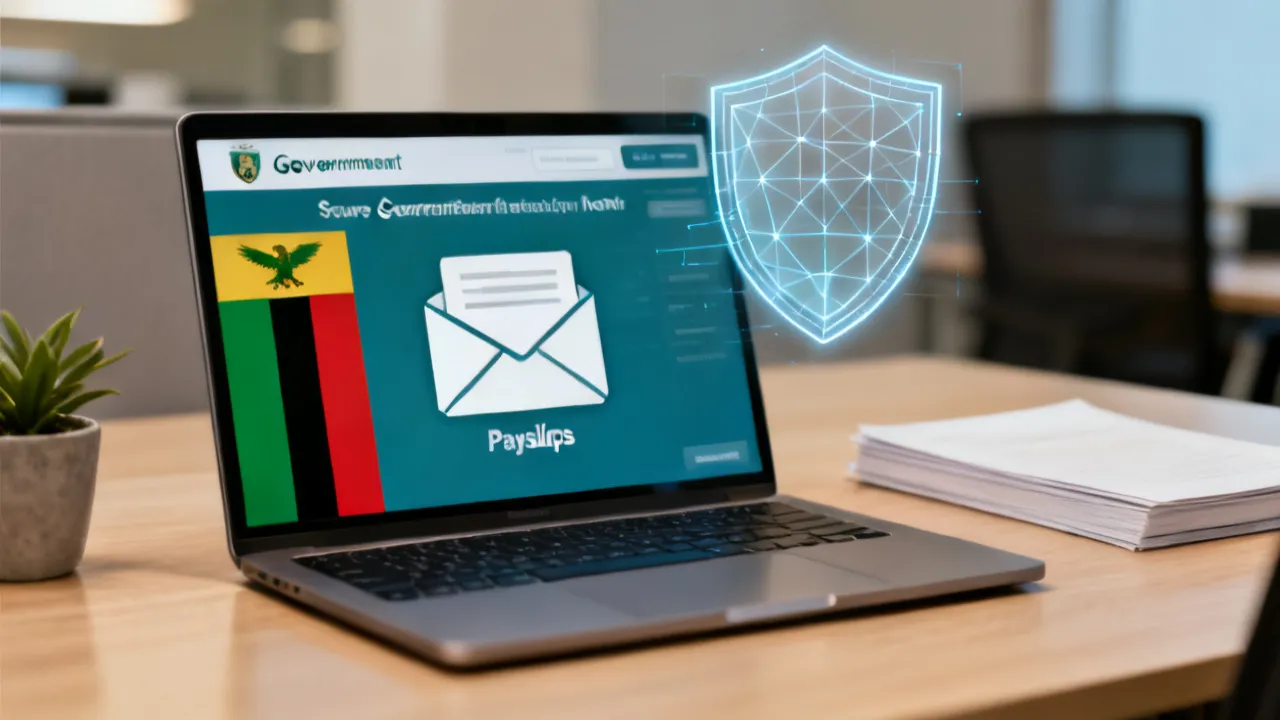
If you’re trying to view Epayslips >@ Grz Gov Zm (a government portal access path) and need your payroll document quickly, the very important takeaway is this: prepare your identity and payroll details first, then navigate the portal in the correct order, and verify each step before downloading or requesting changes. That approach reduces errors, prevents mismatched records, and improves your chances of getting the right payslip.
In practice, accessing employee payslip information through a government-backed portal is not just “click-and-get.” Systems often require correct login details, matching identifiers, and sometimes validation through employment records managed by the public payroll office. So, while the path may feel technical, the process is usually designed to protect sensitive income information.
Because payslips often serve as a key reference for loan applications, proof of employment, rent negotiations, visa support, and general personal recordkeeping, it’s worth treating your access process as a careful workflow rather than a quick attempt. When you follow the right steps—especially around identity matching and pay period selection—you avoid time-consuming back-and-forth with payroll support.
This guide walks you through what ePayslips typically mean in a public payroll context, why such portals emphasize identity checks, and a step-by-step method for finding and downloading the correct document. It also includes practical troubleshooting approaches for common issues such as “no payslip found,” preview/loading problems, network interruptions, and data mismatches between your profile and the payroll database. Throughout, the focus remains on a secure, methodical process.
Epayslips generally refers to electronic payslips—digital versions of payroll statements that may include salary, allowances, deductions, tax-related entries (where applicable), and pay period details. In many public-sector environments, electronic delivery supports:
When combined with an access route such as “>@ Grz Gov Zm”, the intent is typically to guide users to a government domain where employees can securely view or retrieve official documents. The “Gov Zm” portion suggests the .zm country domain context associated with government online services.
It’s also helpful to understand that “ePayslips” portals may not all look identical. Some use a dedicated “payslip portal” interface; others embed payslip access into a broader HR or civil service system. Some require a password reset flow; others use a one-time code sent to an email or phone number that is registered with payroll. Still others rely on employee number and personal details to authenticate your record before showing any documents.
Because payslips contain personal and financial data, identity verification is often a core security requirement. Government portal systems commonly implement controls such as:
From an industry perspective, this is consistent with standard digital document access patterns used in many public administrations worldwide. The goal is to reduce the risk of unauthorized access while still making retrieval manageable for employees.
Even when you know your login details, there can be a second layer of identity matching behind the scenes. For example, a system might verify that the employee number you enter corresponds to a payroll record that is active, and that the name or national identifier stored in payroll matches the one linked to your portal profile. If one field is slightly different—such as a missing middle name, a changed surname spelling, or an old ID number—the portal may refuse to display the payslip even though the credentials are correct.
If you’re using the service from the “nearby” region—where many employees may access services from shared devices, mobile networks, or locations with intermittent connectivity—the process can be more challenging than on a stable desktop connection. In that context, the biggest operational issues usually include:
Because public portals are designed to avoid exposing records, the system may respond to incorrect inputs with generic errors, rather than a detailed explanation. That’s why a methodical approach matters. Instead of assuming the portal is down, you should verify your inputs and the selected pay period, then test with a different browser or connection only when needed.
Another common reality on mobile or low-bandwidth connections is that users may experience a “preview loads but download fails” situation. This can happen if the preview is light and loads successfully, while the actual document download is heavier and gets interrupted by network instability. In that case, switching networks or waiting for a more stable connection can significantly improve your result.
Below is a structured workflow you can follow whenever you attempt Epayslips >@ Grz Gov Zm access. The sequence is written to match how secure systems typically behave.
Even if your interface looks different, the principles remain the same: confirm you are on the correct official environment, provide accurate identity details, navigate to the payslip function, select the correct pay period, confirm document content, and only then download or print. If anything fails, gather evidence and escalate through payroll support rather than repeatedly guessing.
Before entering credentials, ensure you’re using the correct government domain environment associated with “Gov Zm.” This reduces the risk of ending up on an imitation page. In secure access scenarios, small domain differences can redirect you to a non-official site.
Practical safety checks include:
This matters because payslip systems handle sensitive income information. If you accidentally enter credentials on a fake portal, you may face account compromise or identity-related disputes later.
Some payslip portals rely on credentials (username/password). Others may require an employee number or national identifier, combined with additional verification. Prepare whatever your HR/payroll instructions specify—commonly an employee identifier and basic personal details.
Condition/requirement: your payroll identifiers must match what is stored in the payroll system. If you recently changed personal details (name spelling, ID details, or employee status), the portal may not recognize your record until HR updates it.
To be ready, gather the following before you attempt login:
If you’re uncertain about which identifier the portal expects, avoid trial-and-error that may lock out your account. Instead, confirm with your HR department which number to use and whether there is a standard format (for example, some systems treat leading zeros as significant).
Portals usually separate “dashboard,” “payroll,” or “payslip retrieval” sections. When you choose the payslip function, look for filters such as pay period, year/quarter, or department selection.
Industry insight: payslip systems often store documents by pay period and employee record version. Selecting the right pay period prevents “missing payslip” issues that are actually selection mistakes.
Common navigation patterns you may encounter include:
If the system includes a “current month” default, don’t assume it’s correct. Sometimes your latest payslip is not yet marked as “current,” especially if payroll runs are finalized in a different schedule than the portal’s default display. Always confirm the pay period shown in your results list.
Once the payslip is shown, confirm key fields: pay period, employee name (as registered), and totals for earnings and deductions. This matters because partial or incorrect retrieval may happen if the wrong record is loaded.
If the document downloads as an unreadable file or the preview doesn’t render, try another browser or device. Many portal documents are formatted as PDF or similar file types and may not display correctly in outdated viewers.
When validating, you should check at least these elements:
By validating the preview, you reduce the chance of saving the wrong payslip to your personal folder—an error that can later create confusion when proving income or calculating deductions.
When access fails—especially on “nearby” networks with intermittent connectivity—avoid repeated blind retries. Instead:
Then contact the relevant payroll or HR support channel with those details. Portals may not provide detailed diagnostics to end users, so evidence helps support staff check logs and database matching.
Evidence also speeds up resolution because support teams can quickly identify whether the issue is authentication-related, record lookup-related, or a technical failure in document generation.
Users often assume the portal is down, but payslips may be “missing” due to record timing. Common reasons include:
From an operational standpoint, these issues are often resolvable once HR aligns your employee record fields with the payroll system.
To avoid frustration, consider creating a simple personal timeline:
When you contact support, that timeline helps them understand whether you’re dealing with a normal release delay or a persistent record mismatch.
Payslips are sensitive financial records. Regardless of how you access Epayslips >@ Grz Gov Zm, treat the process as secure:
This is aligned with common information security practices for government systems handling personally identifiable information.
It can also be useful to manage your downloaded files carefully. For instance, store them in a folder clearly labeled with pay period and year, and avoid copying them to shared devices. If your device is shared with family or colleagues, consider using a private storage area or separate user profile.
One additional point: if the portal provides a “print” option, remember that printing may generate physical copies. Make sure you retrieve any printed documents immediately and keep them in a secure location, since printed payslips can be lost more easily than electronic files.
The information below compares typical ways employees attempt to access ePayslips through government-style portals like the “Gov Zm” context. It is presented as a neutral comparison of approaches you may encounter—exact features can vary by department and system configuration.
| Access Approach | What It Usually Requires | Typical Strength | Common Friction |
|---|---|---|---|
| Direct portal retrieval | Employee identifier and authentication credentials | Self-service speed once verified | Record mismatch if details differ |
| Pay period filtering | Correct pay period selection and stable session | Fewer “wrong document” downloads | Users mis-select periods |
| Support-assisted lookup | HR/payroll staff verifies your employment record | Top when portal returns errors | Resolution time depends on back-office checks |
| Device/browser fallback | Alternative browser or updated PDF viewer | Solves rendering and download issues | Doesn’t fix authentication problems |
Understanding which type of issue you’re dealing with helps you choose the correct response. For example:
Use this as a readiness checklist before you attempt access. These requirements reflect standard operational realities of payroll document portals.
When Epayslips >@ Grz Gov Zm access does not work, troubleshoot in a controlled sequence. This prevents repeated submissions that can lock out accounts or create confusion.
Think of troubleshooting as narrowing down the cause. Usually, failures fall into one of these categories: (1) you’re not authorized, (2) the portal can’t find your record, (3) you selected the wrong pay period filter, or (4) there’s a technical issue with your browser/file download.
Re-check spelling, employee number digits, and any supplemental fields. A single character mismatch can cause the portal to show no matching record.
Some input details to be careful about include:
If the portal shows a list of payslips, ensure you select the intended pay period. In many systems, the “current” tab doesn’t always default to the latest document.
If the portal provides a search box, use it carefully. If it provides dropdown filters, ensure you choose the correct month/year combination before submitting. Users often set the year correctly but mis-select the month, especially if their payroll cycle differs from calendar months.
If you can load the payslip preview but the file fails to download, try:
Browser compatibility is a common issue for PDF rendering and secure downloads.
Practical browser steps (without being too technical) include:
After several failures, pause and gather evidence (error text, screenshot, time). This helps support staff check server-side logs rather than guessing.
Repeated attempts can sometimes trigger security monitoring systems (for example, rate limiting or temporary lockouts). Even if it doesn’t lock the account immediately, repeated attempts can increase confusion because you lose track of which input and pay period corresponded to each error.
Provide your employee identifier and describe the failure in a concise way, including the pay period you were attempting to access. Support teams can then confirm whether your payroll record is correctly linked.
To help support quickly, include:
That set of details usually reduces back-and-forth questions, because support staff can classify the issue faster: authorization, record mismatch, document generation delay, or portal technical error.
From an expert lens, it’s important to avoid assuming system outages are the sole reason for missing documents. In payroll environments, the payslip release process may depend on:
If any of these steps are delayed, the portal may temporarily not show the payslip you expect—even if payroll has been processed behind the scenes.
Additionally, there can be structural or procedural reasons that affect visibility:
This is why it’s valuable to check whether other months display properly. If earlier and later pay periods are visible, the missing period may simply not be published yet or may require a record update. If all periods are missing, the issue more likely relates to authentication/authorization or record linkage.
It typically indicates a path or access reference to an electronic payslip system associated with a government domain context. In practical terms, it’s used to guide employees toward where they can retrieve official payslips in a secure environment.
Depending on how your institution implements the system, the exact display name of the portal may differ. However, the core purpose remains: provide secure access to official payroll documents.
In many ePayslips implementations, yes. Payslip portals usually link documents to a payroll record identifier. If your identifier does not match what HR/payroll has on file, you may not be able to view the correct payslip.
It’s also common for portals to treat formatting as significant. For example, some employee numbers may include prefixes, and systems may reject entries that omit those prefixes.
Common causes include pay period selection issues, pending publication for the requested timeframe, or a mismatch between your profile details and the payroll record. Confirm the pay period and your input accuracy before escalating.
Another possibility is that the portal shows payslips only for pay periods where your payroll status is active. If you were on leave, transferred, or had a status update around the time of that pay cycle, your eligibility for that specific payslip may be governed by payroll rules.
First, try a different browser and a stable network connection. If the preview appears but download fails, the issue is often related to file delivery or browser handling rather than authentication.
You can also try waiting briefly and re-trying the download immediately—if your session is expiring due to network delays, a faster retry after re-login may succeed. If it still fails, collect evidence (error text, screenshot) and contact support so they can check whether the file is generated correctly on the server.
Government portals are designed with security controls. Still, you should protect the file after downloading—use a private device, avoid sharing screenshots, and log out to reduce risk.
Additionally, be cautious about where you store the file. Use device-level security such as PIN/password protection and avoid storing payslip PDFs in publicly accessible folders.
Pause and collect evidence (error message text, screenshot, time, and pay period). Then contact HR/payroll support with your employee identifier so staff can check record linkage and logs.
If your account is temporarily locked due to repeated attempts, avoid continuing to try repeatedly. Instead, ask support whether you need to reset your account or wait for temporary security controls to expire.
Typically, access should be tied to your identity and credentials. If a third party attempts access, it can raise privacy and authorization issues. For administrative needs, the recommended path is to use official support channels rather than sharing credentials.
If a family member or representative needs help, consider using official assistance methods such as HR support verifying your authorization, rather than giving them your login details.
Contact HR or payroll administrators to confirm your employee record fields (spelling, identifier numbers, and any recent changes). Portals can only display what the payroll system recognizes.
If you recently changed details (for example, after marriage, relocation, or updated ID documents), request confirmation that the portal will recognize those updates. Some systems update only after a specific payroll office processing cycle.
While specific operational details can vary by department and system configuration, the security and access practices described here align with widely used digital identity and sensitive-record principles in public administration and information security. For general frameworks and guidance on handling sensitive personal information and secure access controls, readers may consult:
For statistics on digital government adoption or e-service security trends, it’s advisable to rely on official research reports from recognized institutions (e.g., international organizations and national audit bodies). This article intentionally avoids unverified or potentially exaggerated figures.
Even if you don’t read these standards directly, the takeaway is practical: authentication, authorization, and secure document handling are standard requirements whenever a system exposes personal payroll documents online.
Beyond simply accessing your payslip, it helps to build a small routine for recordkeeping. Payslips may be requested later for administrative tasks, financial planning, tax-related processes, or verification by institutions outside your employer.
Consider the following practical habits:
These habits reduce the chance that you will struggle when you need a payslip urgently. For example, if you are applying for a financial product, being able to quickly locate the correct pay period may be as important as having access to the portal itself.
Also, if you ever discover an inconsistency—such as a deduction you did not expect, or an allowance missing—don’t immediately assume the portal generated it incorrectly. Instead, treat it as a possible payroll record issue and contact HR/payroll for verification. That approach ensures your final records reflect official payroll computations.
Sometimes users can access a payslip, but the document content may raise questions. Common examples include missing allowances, unexpected deductions, or an incorrect pay period indicator. While this guide focuses primarily on access, the following steps help you respond appropriately when content seems wrong:
Then contact HR/payroll with the saved PDF and your reference notes. Support teams can use your payslip record to trace why the entry was posted that way, such as deductions for specific categories or one-off adjustments.
Portal access issues sometimes include password resets, login errors, or inability to authenticate. If you repeatedly fail authentication, it can delay resolution. To keep things controlled:
If the portal indicates that your account is not active or cannot be found, that may point to HR/payroll record linkage issues rather than a password mistake. In that case, you should escalate to HR/payroll support with your employee identifier and a clear description of the authentication message.
Accessing Epayslips >@ Grz Gov Zm is top approached as a controlled process: confirm the official portal context, ensure your identifiers match payroll records, navigate to the correct pay period, and verify the payslip content before download. If something doesn’t line up, treat it as a record-alignment or publication-timing issue first, then escalate with evidence. That method keeps your experience efficient and protects the confidentiality of your income information.
When you combine secure access habits (private device, careful downloading, safe storage) with methodical troubleshooting (accurate inputs, correct pay period selection, evidence capture, and support escalation), you reduce the likelihood of repeated failures and delays. More importantly, you ensure that your personal payroll records remain accurate, consistent, and easy to retrieve when needed.
If your institution has provided internal instructions (such as which identifier to use or which pay period format the portal expects), follow those first. Portals can differ across departments and rollout phases, so internal HR guidance is the very reliable reference point.
When in doubt, treat the official HR/payroll communication as the source of truth for authentication formats, pay period naming conventions, and document availability timelines. That alignment is often the difference between “the portal is not working” and “the portal is working as designed, but your record or selection needs adjustment.”
Striking the Perfect Balance: Navigating Premiums and Out-of-Pocket Expenses in Senior Insurance Plans

Explore the Tranquil Bliss of Idyllic Rural Retreats

How to Make Lasting Memories at Disneyland Attractions

4rkojvsx Technology: Industry Insights and Buying Guide

Affordable Phones and Plans for Seniors

Affordable Full Mouth Dental Implants Near You

Unlock the Top Kept Secrets to Finding Your Ideal Dentist for Flawless Dental Implant Results!

Discovering Springdale Estates

Unveiling RS Sul Telecom Services


Understanding 2107 Pricing and Supplier Selection
This guide explains how to evaluate “2107” pricing signals and supplier fit using objective, purchase-ready criteria. It provides neutral background on what “2107” commonly represents in sourcing contexts, why supplier documentation matters, and how buyers can reduce quality and delivery risk through structured comparison and requirements.
Understanding 2107 Pricing and Supplier Selection
This guide explains how to evaluate “2107” pricing signals and supplier fit using objective, purchase-ready criteria. It provides neutral background on what “2107” commonly represents in sourcing contexts, why supplier documentation matters, and how buyers can reduce quality and delivery risk through structured comparison and requirements.
Epayslips in Zambia: Getting to Gov Zm Access
Learn how to use ePayslips and reach “Gov Zm” access for employee records. This guide explains what epayslips systems typically do, why government portals rely on identity checks, and how payroll documents are handled. It then outlines practical steps, common conditions, and FAQs to help you access your payslip data reliably and securely—especially when you’re in the “nearby” region.
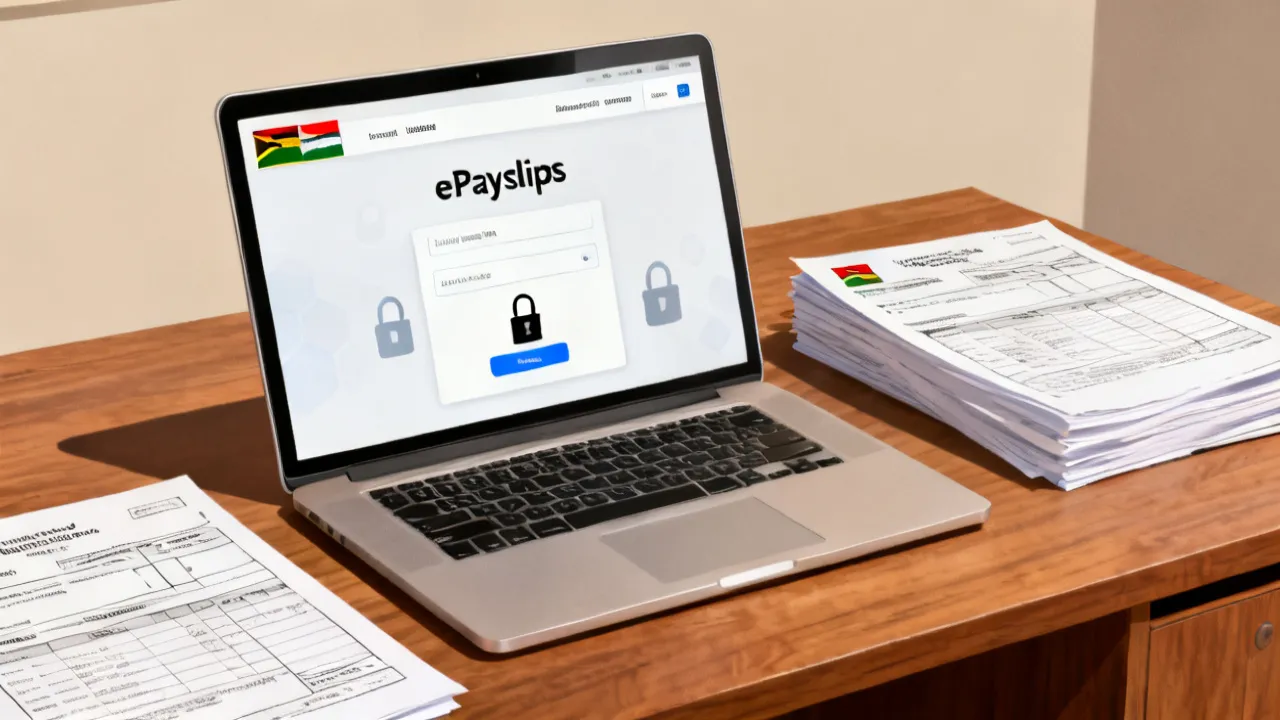
Understanding ePayslips Access for Zambian Payroll
This guide explains how “ePayslips >@ Grz Gov Zm” can be used for secure payroll document access and what to check before downloading. It reviews the background of ePayslip systems, why government-hosted portals matter, and how users can verify account readiness, authentication steps, and typical troubleshooting without relying on unverifiable claims.